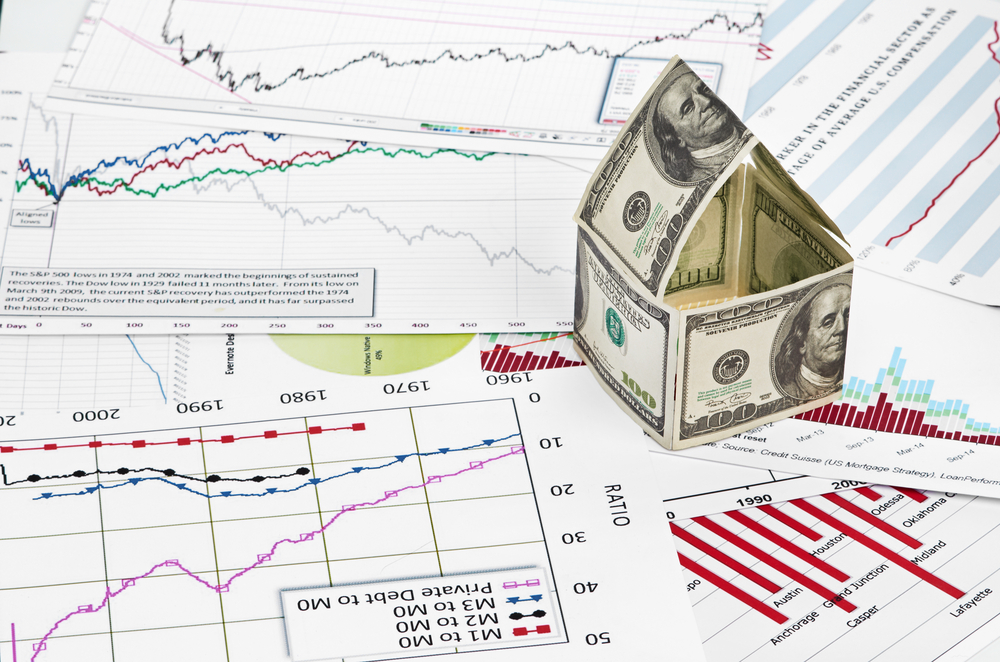
With 2013 closing out on such a positive note, real estate experts are making many bold predictions for the Manhattan real market in 2014. Some of these predictions have been tempered, however, due to the rising mortgage rates expected in 2014 combined with the fact that a new mayor is now leading the charge. Here is a look at some of the biggest predictions for 2014.
Price Growth to Slow Down by Mid-Year
While price growth has been increasing and is expected to continue to grow through 2014, rising mortgage rates are likely to cause growth to slow down a bit. Many buyers rushed to close on their property purchases in 2013 in order to avoid getting trapped into these higher rates. This was clearly illustrated in the third quarter when the number of sales increased by 30 percent when compared to the previous year.
Inventory Growth to Be Slow
Manhattan is expected to see more new condos in 2013. As such, it will see a slight increase in inventory. The majority of these condos are expected to fall within the luxury real estate market with prices at around $2,500 or more per square foot. Therefore, we are not likely to see a sharp increase in inventory and the inventory increases we do see are not likely to ease the housing shortage since it will be primarily within the luxury market. In short, inventory growth is not expected to achieve the same pace as 2013.
Riverside Drive Prices to Increase
While real estate to the east and west of Central Park has always been the most costly in the city, other areas are quickly catching up. This is particularly true of those areas that are alongside other parks, with waterfront parks being particularly popular. As a result, prices on areas such as Riverside Drive are starting to match those seen on Park Avenue.
New Rental Developments in Up-and-Coming Areas
New rentals are likely to start popping up in places such as the Lower East Side, East Harlem and Hudson Yards. This is largely due to the development of the Seward Park Urban Renewal Area combined with plans for rezoning the area around 125th Street and Park Avenue in East Harlem. Nearby Long Island City is also expected to experience growth, with many new developments already in the works. Prices here havfe already increased to about $1,000 per square foot compared to the $600 per square foot it was seeing just a few years ago.
Changes in What Buyers are Seeking
Many New York residents are starting to look for apartments with clean and modern lines with some of the comforts of home. Hot items expected for 2014 include apartments with fireplaces, sophisticated entertainment rooms and modern interior designs. A growing number of buyers are also looking for homes where they can house unique animals, such as piglets and ferrets. Despite the fact that it is still illegal to keep these pets in New York City, buyers are looking for homes with large play areas for their critters.
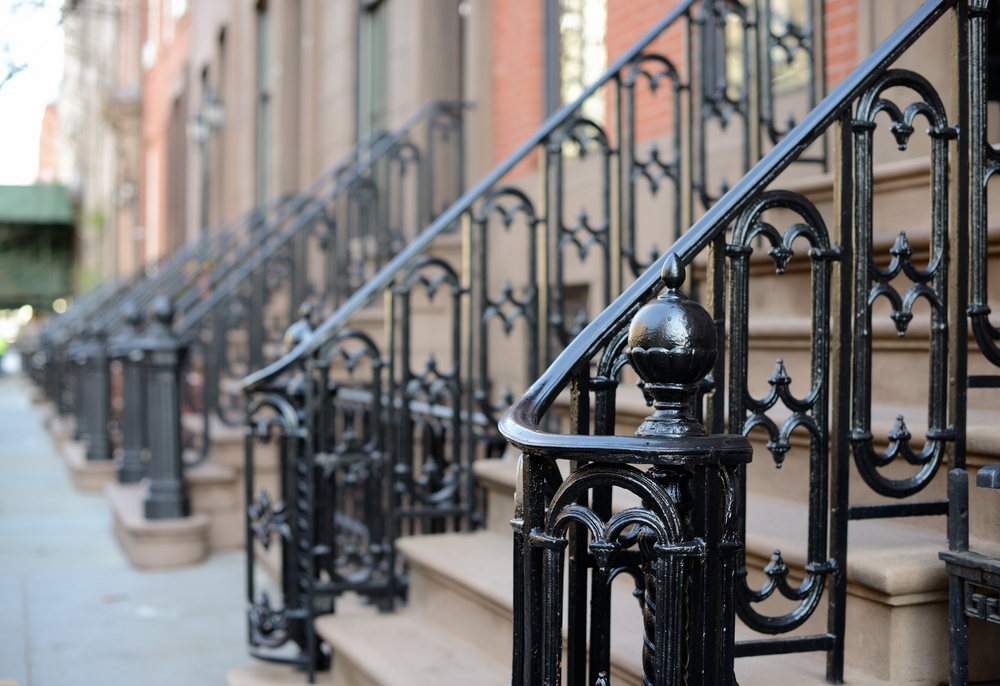
According to recent reports, the Manhattan real estate market wrapped up 2013 on a positive note. While the 2013 figures are still far from the peak that was reached in 2008, the fourth quarter ended with surging sales and the median sale price was $855,000.
The fourth quarter figures for the Manhattan real estate market represent a slight increase when compared to fourth quarter figures in 2012. It also represents a significant increase when compared to the market bottom that was hit in 2009, at which time the median was somewhere around $800,000. The figures are still far from the market peak in 2008, however, when the median price was close to the $1 million mark.
Market analyses indicate that prices are going to continue to rise within the Manhattan real estate market, but they should increase at a sustainable rate. This is partially due to stock market gains, a strong local economy and steady foreign interest. All of these factors combined have helped to increase the demand for apartments in Manhattan as the supply continues to dwindle. In fact, 2013 experienced the lowest number of listings seen in the fourth quarter in 14 years. At the same time, sales increased by 26.8 percent to 3,297. These figures represent the highest fourth quarter totals ever, including sales during the fourth quarter of 2012 when a surge of wealthy buyers rushed to close on their real estate deals before the new tax laws were put into place.
The median sales price for Manhattan condos also saw a significant increase during the fourth quarter of 2013. This was largely due to closings on expensive condos that had been contracted for several months. Thanks to those deals, the median sales price increased by 14.3 percent and reached a record $1,320,000.
New developments also saw an increase in Manhattan, with the median price increasing by 32 percent. With a number of new luxury developments already under contract for 2014, the trend is expected to continue this year.
Luxury homes are also doing quite well within the Manhattan real estate market. The median price for these homes increased by $4,604,019 during the fourth quarter, representing a 15.1 percent increase when compared to 2012.
This year, most experts agree that the supply is likely to begin loosening as inventory increases slightly. Rising mortgage rates in 2014, however, are likely to slow the sales pace in 2014. Nonetheless, most agree that the slight invenntory increase is not going to be enough to meet consumer demand.
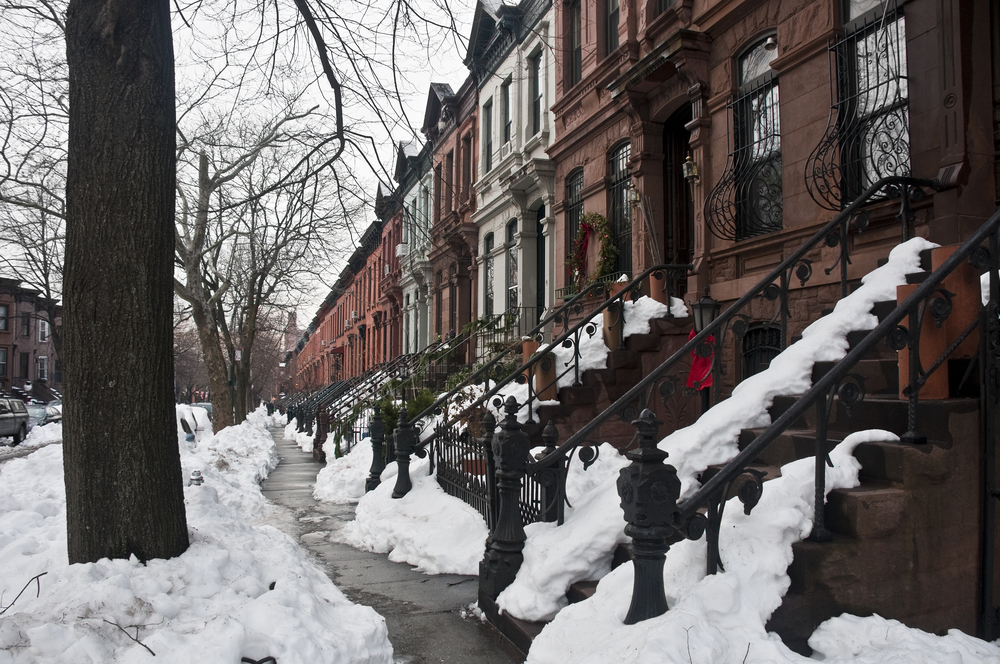
When facing the cold Manhattan winters, you certainly want to find every way possible to keep yourself warm. Fortunately, there are several simple steps that you can take to keep your Manhattan home warm while also helping to cut down on your heating costs. With many months of cold weather still lying ahead, it is certainly not too late to put these steps into action.
Step #1: Get Your Furnace Inspected
The simplest step you can take to keep your house warm in the winter while saving yourself money is to get your furnace inspected each month. An HVAC professional will check to make sure all of your furnace parts are working properly. He will also clean the furnace so it works as efficiently as possible. Be sure to also change your filters on a monthly basis in order to keep your furance operating properly.
Step #2: Check for Air Leaks
Many homeowners lose a great deal of heat through small leaks throughout their home. You may have leaks in your door or window frames, around pipes and even through your outlets. Check the pipes in your basement and under your sinks to look for potential leaks. Don’t forget to also check conduit and vents for potential leaks.
Step #3: Caulk the Leaks
Small leaks in door and window frames can be easily repaired with the help of caulk. The same is true of small leaks around pipes. For larger leaks, you will need to use insulating foam sealant. You may also be losing heat from air leaks through electrical outlets and switchplates. To stop this from happening, install outlet gaskets in each of your outlets. To install these gaskets, simply turn off your electricity, remove the faceplate on your outlet, insert the gasket and put the faceplate back in place.
Step #4: Use Insulation
Some leaks are so big that they require insulation instead of caulk. Use insulating foam sealant for big gaps around pipes. Also, check your attic to make sure you have at least 12 inches of insulation in place.
Step #5: Install a Programmable Thermostat
Using a programmable thermostat is a great way to reduce your heating costs. In addition, it makes it far more convenient to keep your house warm when you need it to be warm. With a programmable thermostat, you simply set the thermostat to automatically turn your furnace up and down at various times of the day and night. Set your thermostat to go down shortly after you go to bed and then to turn back up shortly before you get up in the morning. This way, it is cooler at night but warn enough for you when you get out of bed. You can also program your thermostat to go back down after you leave for work in the morning and to turn back up shortly before you normally get home. That way, you can return to a warm home each day without wasting energy throughout the day.
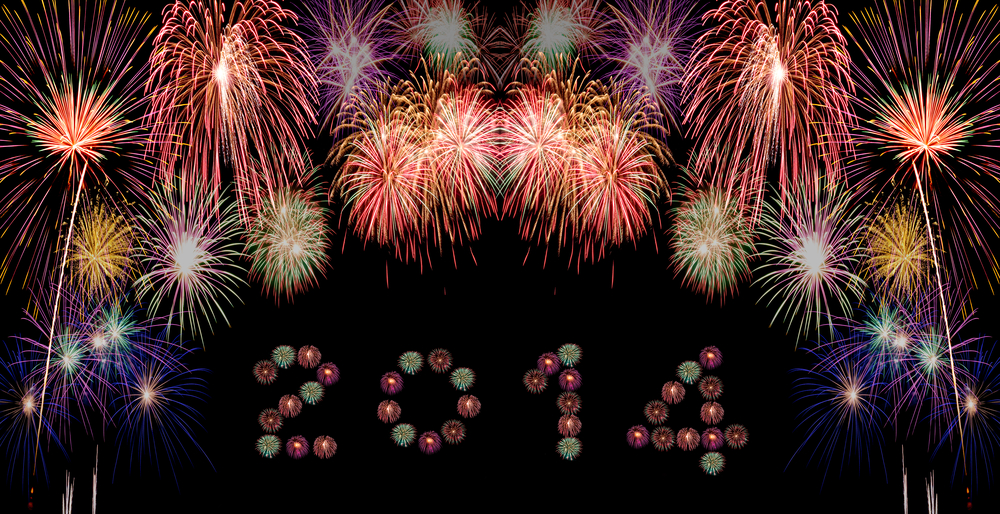
When it comes to the East coast of the United States on New Year’s Eve, New York city is the place to be. It’s bustling and brimming with activities. From early in the week and until the ball dropping at midnight on New Year’s Eve, the city has tons of things for travelers and locals alike to experience. Plus, the city’s major attractions, like the statue of liberty can fill up the day. In New York on New Year’s Eve is a magical place full of fun and fantastic events.
Ball Drop
The last event of the season is the ball drop. In times square, everyone gathers to see the ball drop, signifying the start of new year. The experience does not compare to watching the event on television. It’s more electric, stimulating and special. It’s also very cold out and gloves are a must. It is the middle of winter and dressing appropriately will help make the experience more comfortable. While it’s important to get there early since the space quickly fill up, getting there too early makes the day long. On the other hand, if party goers want a good spot near the center of the action, then plan to spend part of the day waiting for the ball dropping entertainment to start.
Parties
Pretty much every bar and restaurant in town is having an event this year. From cocktails to clubbing, party goers can choose their experience from a long list of places to eat, dance and socialize.
Dream Downtown
Dream Downtown is a hotel, which is hosting an event for the holiday season. On New Year’s Eve, they are having a combination of open bar, DJ and socialization at their premier hotel. The event/hotel boosts beautiful views of the Manhattan skyline and a champagne toast at the first minute of the new year.
TAO Uptown
TAO Uptown is an Asian and Euro inspired restaurant that will have a new Year’s Eve party with an open bar and “DJ X-Ray” Raymond Ruiz playing through the night. The event is “dress to impress” and will stop briefly at midnight for a midnight toast.
Ripley’s Believe It or Not! Times Square – New York
This historic building boosts 20 rooms full of stuff collected for Ripley’s Believe It or Not!. Although this event has an open bar from 8 pm to 1 pm, family friendly entertainment and face painters, stilt walkers, magician, cotton candy and popcorn is available. A DJ will be spinning tunes throughout the night and at midnight a tradional toast will occur.
Whatever those visiting New York City for the last day of the year, there is always something to do. It’s got plenty of music, dancing, talking, and drinking. New Year’s Eve in New York is one of the best holidays to visit the iconic city.
Explore some of Manhattan’s finest Christmas markets and boutiques to finish up your Christmas shopping this holiday season
 If you’re out and about doing some last minute Christmas shopping this holiday season, then you’ll want to check out these 5 holiday hot spots located in Manhattan. Grab some of the best unique gifts for family and friends at Manhattan’s finest Christmas markets and boutiques.
Watch your loved ones light up with delight when they see their new special treasures that you lovingly, and possibly in a rush, picked out for them from only the best vendors. Attending a Christmas market is literally the perfect way to find that unique and unexpected gift. Holiday markets have become a new-found favorite of holiday shoppers and a must-visit event this holiday season.
Here are some of the Best Christmas Markets and Boutiques for Holiday Shopping in Manhattan:
Outdoor Manhattan Holiday Markets
The Holiday Shops at Bryant Park: Located in Midtown West and 40th-42nd Streets, between Fifth and Sixth Avenues – 212-661-6640 – Open from November 1-January 5, 2014, Monday-Friday from 11am-8pm, Saturday from 10am-9pm, and on Sunday from 10am-6pm. Shop for jewelry, clothing, accessories, hats, interesting trinkets, locally-made art, items from around the world, and more, while also sipping hot cocoa, ice skating, taking a round on the carousel, or singing karaoke inside of a 7 foot freezer while you test out the Columbia Omni Heat Jacket.
Union Square Holiday Market: The Union Square Holiday Market is located at Union Square at 14th-16th Streets between Union Square East and Union Square West and runs November 21-December 24th, Monday-Friday from 11am-8pm, Saturdays from 10am-8pm, and on Sundays from 11am-7pm. The Union Square Holiday Market closes at 4pm on Christmas Eve.
If you’ve never been to the Union Square Holiday Market, you’ll find it located nearby fun family-friendly local playground. At this Manhattan holiday market, you’ll find over 100 vendors selling everything from beautifully handmade toys, to jewelry, to holiday food and much, much more.
Columbus Circle Holiday Market: The Columbus Circle Holiday Market is located in Midtown West at 59th Street and Central Park West, and runs from December 3-December 24th, Monday-Saturday from 10am-8pm, and on Sundays from 10am-7pm.
The Columbus Circle Holiday Market will close at 4pm on Christmas Eve and is located just a walking distance from Central Park and the nearby family friendly Heckscher Playground, which is just inside Central Park.
At this fun-filled holiday market, you’ll find deliciously and delicately decorated gingerbread houses, beautifully handmade wooden puzzles, to-die-for French truffles, and much, much more. Enjoy a carriage ride after your leisure stroll and take in the wonderful winter air of New York at Christmas time.
Indoor Manhattan Holiday Markets
Holiday Pop-Up: Artists & Fleas at Chelsea Market: This holiday inspired pop-up event is located at 88 Tenth Avenue and West 15th Street from fall through December 31, Monday-Sunday from 10am-7pm, and is closed on Christmas Day. Here you’ll find all kinds of goodies, such as artsy vintage items from its popular Brooklyn mainstay location. Goodies that you’ll find at this indoor holiday market include the clothing, home goods, and jewelry sold by over 30 artists and designers.
Grand Central Holiday Fair: The Grand Central Holiday Fair is located at Vanderbilt Hall on 42nd Street and Park Avenue from November 18-December 24, Monday-Saturday from 10am-8pm, Sundays from 11am-7pm. The Grand Central Holiday Fair closes at 6pm on Christmas Eve.
Explore the Grand Central Holiday Fair and find plenty of one-of-a-kind special handmade items, as well as many vendors for kids selling popular clothing items from Brooklyn Junior, toys for tots from the toy company Alexander Doll Company, and much, much more.
After you’ve finished shopping and browsing through all of these wonderful items at the Grand Central Holiday Fair, check out New York Transit Museum Gallery Annex’s annual holiday train show and find more to do inside Grand Central!

The first thing that should be said about this vibrant community is to not let the name put you off! Hell’s Kitchen is a nickname that was given back in the 1880s and referred to the riots that used to take place in the overcrowded tenements when factories dominated the west side. This traditional blue-collar neighborhood has been gentrifying for decades since then and has become a very desirable residential neighborhood in which to live.
And though it can sometimes be difficult to find affordable accommodation in Manhattan, Hell’s Kitchen is an exception to the rule. It also has just the right blend of fantastic restaurants and shops, great apartments, and a thriving cultural life. High-rise doorman buildings (many of which were constructed since the late 1990s), stone row homes and flats above shops make up most of the area.
The community is comprised of both younger and older business people, professionals, teachers (F.I.T. and Parson’s are nearby), and many actors, who benefit from being close to the Theater District (Central Midtown). The neighborhood also has a significant gay community, though not as visible as in West Village or Chelsea.
The area is also referred to as Clinton or Midtown West and is part of Midtown Manhattan. The northern border is usually considered to be 59th street, the eastern border is 8th Avenue, the southern border West 34th Street and the western border is the Hudson River. This means the neighborhood includes two major transportation hubs: The Port Authority Bus Terminal and Penn Station. The A, C and E subway lines also run along 8th Avenue, making it easily accessible.
The two main shopping streets in Hell’s Kitchen are 8th Avenue and 9th Avenue:
- Eighth Avenue offers a variety of unique shops, along with fashion and department stores. At 59th Street & 8th Avenue, you’ll find Columbus Circle and Time Warner Center, also terrific places to shop.
- Along Ninth Avenue you’ll find stores ranging from quaint boutiques to department stores.
- If you’re looking to buy fruits and veggies for competitive prices, stop by Stiles Farmers Marketon located on 41st Street & 9th Avenue or 52nd Street between 8th and 9th Avenue. These little markets are open every day and offer unbelievably affordable fruits and vegetables. On 57th Street & 9th Avenue, the 57th Street Green Market is held twice a week and is a great place to purchase fresh produce from local farms.

- Price range: up to $5 million
- No. of units: 123
- Location: Midtown East, Manhattan
- Unit type: condos, penthouses, studios 1-4 bedrooms
Halcyon is a luxury condo tower located in Midtown East, Manhattan. The 32-story building features 123 premier homes, high-end extra amenities, and various community attractions. The classical design of the condominium combines perfectly with the modern conveniences, and thus it also blends perfectly into the neighborhood. The glass tower incorporates a variety of additional materials such as bronze metalwork and cladding. The residences have between 1 and 4 bedrooms, as well as outdoor spaces and duplex penthouses.
Introducing the Halcyon Luxury Condos
Halcyon was visualized as a serene, sophisticated Manhattan condo building with rich finishes, simple sculptural forms, and muted, soft palettes. On the lukewarm Indiana limestone foundation sits a well-designed structure of glass and steel that invites residents in a wealth of natural light. Halcyon is a natural oasis of peace and serenity considering that it features spa-inspired amenities and plenty of other recreational areas.
Halcyon Luxury Condo Amenities
The overall design of the building combines sophisticated materials with a fresh aesthetic and luxurious finishes. The lobby area is a nearly perfect cube, beautifully designed and dynamically adorned; the organic wall sculpture and sinuous chandelier blend perfectly with the travertine floors, bronze trim, and walnut paneling. The final result is an uplifting, welcoming, and elegant lobby area.
From the lobby area residents have direct access to the courtyard and library. The walls of wooden bookshelves, warm oak floors, and natural, earthy furnishings make the library extremely comfortable yet at the same time, luxurious. Other condo amenities include:
- Smart kitchen designed by Poliform
- Marble flooring
- Laquered cabinetry
- Oversized tile in the bathroom
- Marble countertops
- Top-to-bottom windows
- Premier appliances
- Walk-in closets
- Lounge area
- Spa
- Fitness center
- Library
- courtyard
Halcyon bathrooms look incredible at a first glimpse. They have over-sized statuary tiles made of marble, brushed bronze and marble counters and fixture, as well as warm textures of metal, stone, and wood. As far as the penthouses are concerned, we should mention that the 2 rarefied homes located atop are just captivating. The views over Manhattan and East River are absolutely ravishing. Just imagine yourself residing on the 32nd floor of a luxurious condo building from where you can admire the Chrysler Building, the Empire State Building, among numerous other edifices that surround Manhattan.
The Neighborhood
Halcyon is nestled between Sutton and Beekman Place, in the charming neighborhood of Midtown East, Manhattan. The area boasts with romantic town houses, elegant co-ops from the Pre-war period, and brick row homes. Residents will have the chance to admire the stunning architecture of the neighborhood emphasized by the astounding art-deco Chrysler Building. Among some other attractions in the area we should also mention the United Nations Headquarters, Times Square, Rockefeller Center, the banks of the East River, and more.
Living in a Halcyon condo comes with a myriad of benefits. Apart great luxury and top-notch amenities, residents will have at their disposal a neighborhood packed with great entertainment, vivid nightlife, and great places of interest.

Currently underway on the Upper East Side is work on the Second Avenue subway, a nearly $4.5 billion project that will ease crowding on the Lexington Avenue line and improve connections to Midtown and Downtown. The digging is almost done and the first phase — more than two miles of new tunnels from 96th to 63rd streets — should be wrapped up in 2016, according to transit officials.
The numbers prove that the Upper East Side is a community that people want to move into. The median price for resales — condos and co-ops — is up, demand for new development units is strong, and inventory is tight, just like it is in the rest of the city.
With all that’s happening, it’s time to take a close look at the trends in the UES through the eyes of some local real estate brokers in the community. Here’s their take on the neighborhood:
What are the biggest challenges to selling property on the Upper East Side?
Because of so much construction, the area along where they are putting in the Second Avenue subway has been a little bit challenged. Savvy shoppers understand that once it is finally all cleared up and we get that desperately needed subway, those values are going to increase. We did a deal at Second Avenue and 69th Street and [the buyers] got a really nice deal. I explained to them this is a challenging spot because of what is going on. Not everybody can see past the mess, but when all is said and done, this is going to add value to your property because you practically have the subway right outside your door.
Who are the most active buyers?
In general terms, there are a lot of families that are expanding.
Which areas of the Upper East Side — Lenox Hill, Carnegie Hill, Yorkville, for example — are performing best? Which are the weakest?
Anywhere that you have pockets of new developments, it’s like bees opening up a hive. That’s where the people will go because it’s fresh new product. If anything is maybe moving any slower, it may be the Sutton Place area, just because it is a little bit removed and off the beaten path.
How is overall residential sales volume?
The volume has changed dramatically since a year ago and two years ago. The number of apartments available has dropped dramatically and there are so many buyers actively looking. There were something like 1,257 apartments available on the East Side in June, versus 1,344 in May and 1,780 in June 2012. You send your buyer some listings and if they wait a week, most of those listings have gone into contract.
What’s going on with sales and rental prices?
Buyers are so savvy and they know when an apartment is priced correctly. I’m seeing apartments going at asking or, if there are multiple bidders, over asking. A year or two ago, you could negotiate. It’s all a cycle, but those days are over and out for now.
Which price ranges and housing types are struggling?
One-bedroom apartments have slowed in the past month, particularly in co-ops that only permit 50 percent financing.
How long are properties staying on the market?
A few days or up to a few weeks if the property is priced correctly. If it’s not, the apartment lingers. Buyers still will not put in an offer on an overpriced property.
What are the most surprising new twists that you’re seeing in the market?
Besides lack of inventory, it has to be the willingness of buyers to look at new condominiums. But the prices of those apartments sometimes boggle the mind. I’m also seeing families who bought Downtown a few years ago coming back Uptown to be closer to some of the schools and activities for their children.

The Upper West Side and the Upper East Side are playing Switcheroo when it comes to the most in-demand Manhattan neighborhood with renters. At the beginning of September, the Upper West Side grabbed back the number 1 spot, and the Upper East Side had to settle for second place, according to data from an apartment listings website. West Village, Greenwich Village and Soho rounded out the top five.
Renters asked brokers the most about one-bedroom apartments – 35 percent. And their median rent inquiry: $2,500 a month. Right behind were two-bedrooms with 30 percent and $2,800. Studios, last week’s winner, had 24 percent and $1,670. Median prices increased across all unit types.
Over the summer, Midtown was the most in-demand neighborhood for tenants looking for a rental apartment in Manhattan, the data revealed. Midtown’s popularity seems to coincide with a lot of the professionals relocating to New York City who want to be close to work.
Rounding out the top five neighborhoods getting the most heat were, in order:
- the West Village
- the Upper East Side
- the East Village
- and Harlem
Harlem’s popularity shows that renters priced out of some of the usually popular neighborhoods are now looking at other areas.
In terms of unit types, one-bedroom apartments were the most popular for the third consecutive week, comprising almost 55.2 percent of renter inquiries to brokers. The median rent query was for $2,650 per month. One-bedrooms had 55.8 percent of renter queries.
Two-bedroom apartments trailed with 31 percent, with a median rent inquiry of $3,200. Studios and three-bedrooms had 10.3 percent and nearly 3.5 percent of leads, with a median inquiry of $2,000 and $3,000, respectively.
The most popular times during the day for renters to search for listings is between 9:30 a.m. and 10 a.m., followed by 12 p.m. to 3 p.m. and 5 p.m. to 7 p.m. Finding an apartment is so important to renters that many are taking breaks at work to check on new listings. This info is useful for helping agents and landlords know when are the optimal times to post new listings or get in touch with renters.
One-bedroom apartments had the largest share – 46 percent – of renter inquiries to brokers. The median rent inquiry was $2,000 a month. Three-bedrooms saw 27 percent of the lead and a median inquiry of $4,075 per month, the data shows.

Although barely one square mile, this quaint district, anchored by the Jacob Javits center at the far west, Penn Station, the General Post Office, and Madison Square Garden in the Center, and the Empire State Building in the east, has an extraordinary amount of industry. Just the lobby of the Empire State Building is worth taking a look with its incredible wall art and 1930s-style murals, which reflect the power of the Empire State of days gone by. Similarly, the General Post Office, which will eventually be transformed into Moynihan Station, has a magnificent interior and is another popular viewing spot for visitors.
While New York’s days as the textile-manufacturing capital of the nation may have passed, it remains the fashion capital for couture houses, designers, and showrooms. The 7th on Sixth Fashion Week held in Bryant Park is one of many annual tributes to all the creative effort and behind-the-scenes work that goes into the fashion industry.
Although increased globalization from the 1960s to the 1980s saw a significant amount of movement to offshore production facilities, there are still quite a few sweatshops in New York churning out clothes, some in the Garment District, some scattered around Chinatown and in other locations. The history of the International Ladies Garment Workers Union and labor activism stems from the horrific 1911 fire at the Triangle Shirtwaist Company in Manhattan’s Greenwich Village where 146 garment workers died. In recent years, there has been intense scrutiny of the industry, and the US Labor Department continues to stay on top of suspect business practices.
The Garment District’s Role in Fashion
New York City is considered the fashion capital in not only this country but all four corners of the globe. The industry based in the city generates more than $14 billion in annual sales and sets design trends which are mirrored worldwide. The core of the industry is Manhattan’s Garment District, where most of the city’s top fashion labels operate showrooms and execute the fashion process from design and production to wholesaling. No other city has a comparable concentration of talent and fashion businesses within a single district.
The Garment District is home to numerous well-known designers, their production facilities, warehouses, showrooms, and suppliers of materials and fabric. Many in the field say that this dense concentration of talent, entrepreneurship and supply stores operate like an ecosystem in which each of the parts help sustain the whole.