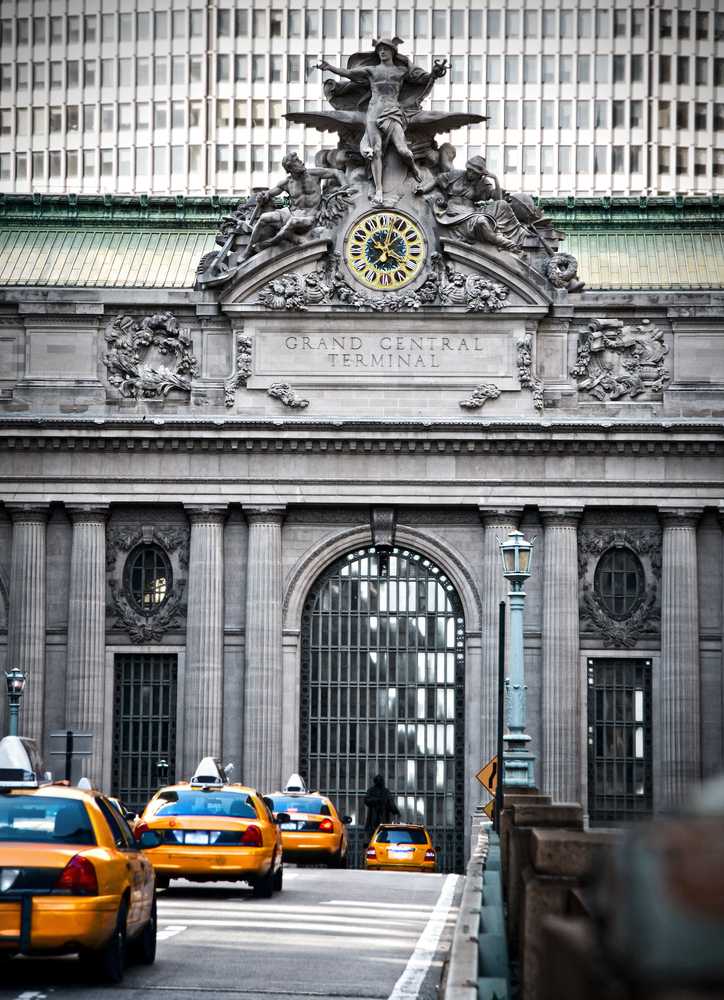
A New York firm founded by a man named Wayne Parks may soon change the way we look at using the bathroom in Manhattan. According to recent reports, the firm plans to construct exclusive luxury toilet complex in Midtown. These complexes, which will come complete with showers, lockers and baby changing complexes, will cost up to $8 per day for patrons to use. The “Posh Stow and Go” complexes will be located near Grand Central Terminal and may be ready as early as this summer.
Parks, who is a self-described “germaphobe,” says the bathroom complexes will provide patrons with a clean restroom to use while spending time in Manhattan. His target consumers are those who are visiting Manhattan and do not have a home or office to use in the city. Critics of the new bathroom complexes, however, believe the bathrooms are more likely to be used by vagrants and are charging for a service that the city should be providing for free. Those who are opposed to the idea are also skeptical that anyone will be willing to rent a bathroom unless they are facing some sort of “bathroom emergency.”
Interestingly, former Mayors Mike Bloomberg and Rudy Giuliani had previously tried to establish networks of street toilets for public use. These plans were scarpped, however, when community groups complained that the bathrooms would be an eyesore and would attract vagrants. Yet, somehow, the Posh Stow and Go complexes look as though they are going to be constructed.
Each of the stalls within the brick-and-mortar building is expected to measure 6 by 8 feet. The restroom stalls, which will all be located on the ground floor, will have motion sensored faucets and flushers. They will also feature high-powered hand dryers. The lounge area will boast wooden floors, couches and floor charging stations. Lockers will also be available for Manhattan visitors to stow away their shopping bags before heading to the theater, restaurant or club. Nursing stations may be added at a later date.
Right now, the Posh Stow and Go complexes are expected to cost $24 for three days of usage, averaging $8 per day. Those who want to access the complex for a longer period of time can sign up for 10 days at a cost of $60. There is also a $15 annual sign-up fee associated with the complexes. Kids under 18 can use the facilities for free if they are traveling with an adult who is related to them.
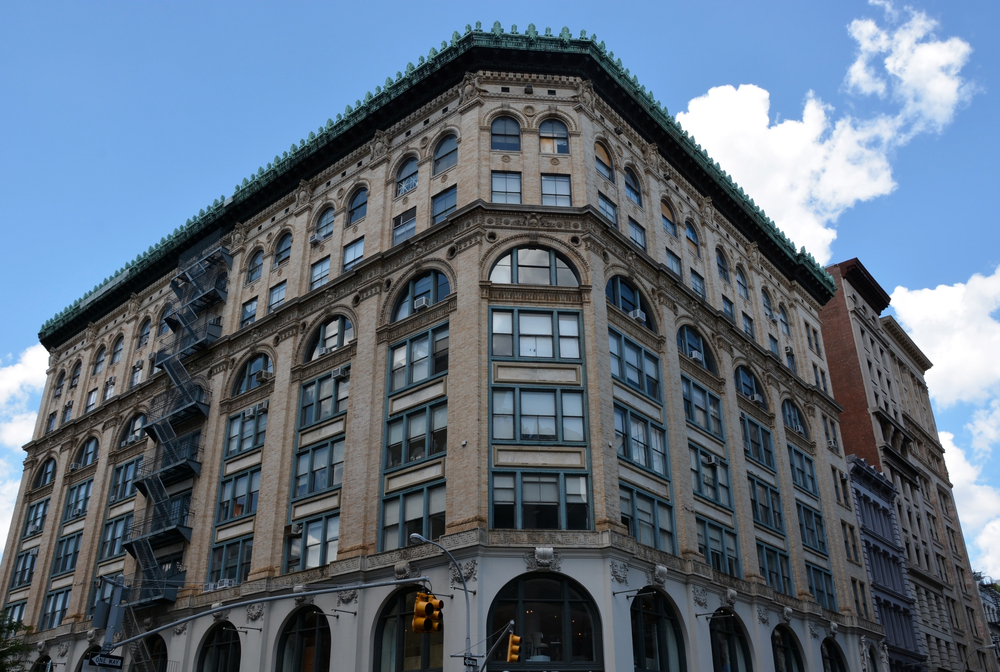
Luxury apartment owners in Manhattan are listing a record number of properties for sale lately, with many testing the upper limits of what buyers are willing to pay. As a number of record-shattering deals are made throughout the borough, even those who originally had big plans for their properties have decided to put them back on the market.
One example of the latest trend toward selling high-end property can be seen with an apartment on Central Park South. According to reports, the property was purchased for $14.3 million last year. The owner then spent nine months seeking approval for renovation plans. Despite receiving approval for the plans, the owner has recently put the property back on the market for $28 million.
The trend for putting properties on the market with hefty price tags started when Central Park West was sold for a staggering $88 million two years ago. The 6,744 square foot, four bedroom condo was purchased by the daughter of Russian billionaire Dmitry Rybolovlev. The trend has been further pushed along by demand from international investors who are looking for trophy homes to secure their cash.
Other recent examples of Manhattan apartments with extreme price tags include a penthouse at 432 Park Avenue. A buyer has agreed to pay $95 million for the space. The 5,955 square foot penthouse atop Walker Tower in nearby Chelsea was also recently sold for $50.9 million. The first $100 million listing occurred in July 2012 when Midtown’s CitySpire tower was put up for sale. The property, which was purchased in 2005 for $20 million, is still on the market with an asking price of $114 million.
Last year alone, more than 145 Manhattan residences were listed for more than $20 million. This is the most property to be listed at this price point since 2005. With the average asking price per square foot being $4,977 with these higher end homes, 2013 saw prices increase by 18 percent more than the previous year.
While upper end apartment sales are reaching extreme highs, the median price has gone down. Apartment sales for more than $10 million more than doubled last year, but they only represent the top one percent of sales. The median price of the transactions came to $13 million, which is 7.9 percent less than 2008.
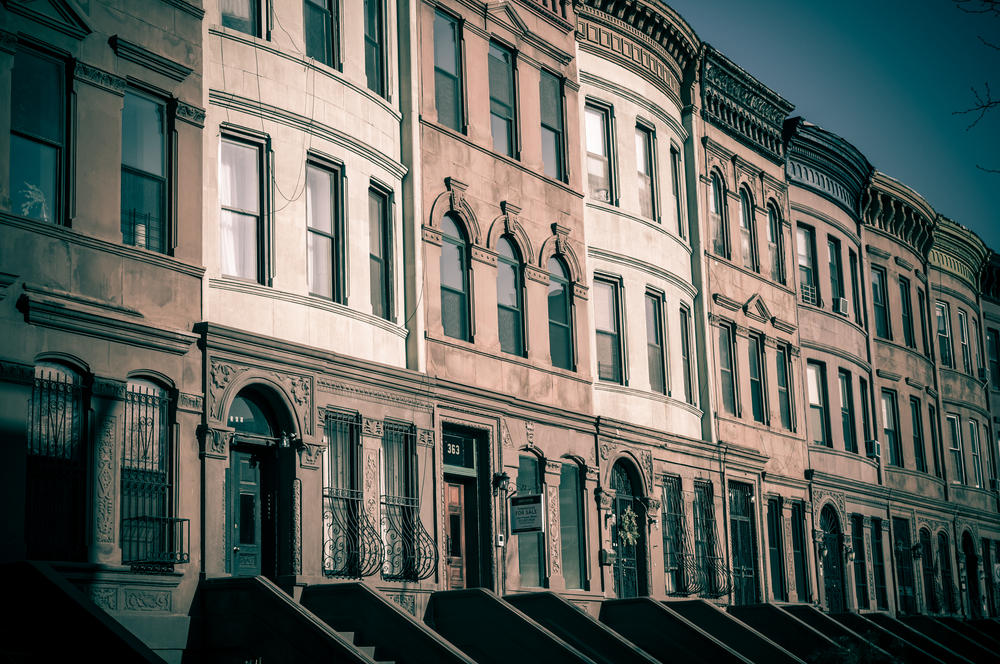
With apartment prices going up over the past year and with demand for homes in the area going up, Harlem has slowly but surely become one of Manhattan’s hottest neighborhoods. Not only does it offer housing at a more reasonable rate than other parts of Manhattan, but the abundance of new stores and restaurants combined with the area’s interesting history and unique architecture has helped to drive more buyers to Harlem.
According to a report recently released by MNS, the average rent in Harlem went up from $2,191 per month in 2013 to $2,397 per month in January. This represents a 9.4 percent increase, which is the largest increase in Manhattan. This is also significantly higher than it was just a short period ago, with the average rent in Harlem being $1,200 in 2002.
The start of the trend toward buying property in Harlem began during the economic crisis, at which time finding a good value was difficult. As a result, new apartment buildings such as the Adeline were able to find buyers and renters rather quickly. Since that time, many young families and adults have found Harlem to be the perfect place to move. Not only does the are offer many affordable homes with popular amenities, but it has a great transportation system in place. A number of popular restaurants and stores have also been added to the neighborhood in recent years, including a Whole Foods, The Cecil, Red Rooster and the ’50s themed Harlem Shake restaurant.
Several new developments have also started to pop up in the neighborhood, providing interested buyers with even more affordable options. At the same time, Harlem residents are concerned about gentrification, which is a shift toward wealthier residents and increasing property values. As such, this has been a frequent topic among residents, as most agree that they do not want to see Harlem change too much. Concerns regarding the preservation of historic buildings and sites have also been expressed, with preservationist groups expressing concerns about the neighborhood’s landmarks. Given the sense of community and togetherness that the neighborhood is known for having, however, these concerns are likely to be addressed in a way that will make most residents happy.

The private Manhattan university of New School recently opened its new $352 million University Center building. By adding the 375,000 square foot glass-and-steel facility to the campus, university officials hope to provide students with a place where they can come together and create a sense of community.
The new facility, which officially opened in January, features classrooms, a library, dining areas, studios, performance space, dorms and open space where students can just hang out with each other. The final layout of the building, which is located at Fifth Avenue and 13th Street, took nearly a year to plan and develop. According to New School President David Van Zandt, the completion of the building is just one more step in the university’s effort to rebrand itself.
One area of concern among the administration at New School has been the fact that the university is comprised of seven separate divisions in the social sciences and arts. The university’s buildings are physically dispersed throughout the borough, with its base being located in Greenwich Village and one campus being as far away as West 85th Street. The university has never had a traditional campus and the separation of the buildings, which are exclusively used by students in specific programs, has made it difficult for the university to foster a coherent identity among its students. The new building is open to students from all of the university’s programs.
The new building was designed by Roger Duffy, who is a principal at Skidmore Owings and Merrill. The airy design is centered around a wide staircase and offers amazing views of Manhattan through the numerous huge windows. Neon-pink verses from Walt Whitman’s “Leaves of Grass,” courtesy of artist Glenn Ligon, can also be found on the building’s interior walls. While the school did receive a number of gifts, bonds and government grants to help fund the new building, officials have stated that the project did put the school into debt.
To further build a culture of unity, Van Zandt has also taken steps to integrate the buildings and programs that are already in place. This includes allowing students to cross-register between the university’s various schools. Van Zandt has also synchronized the class bell system across the various divisions and has even used his townhouse to host social events for students.
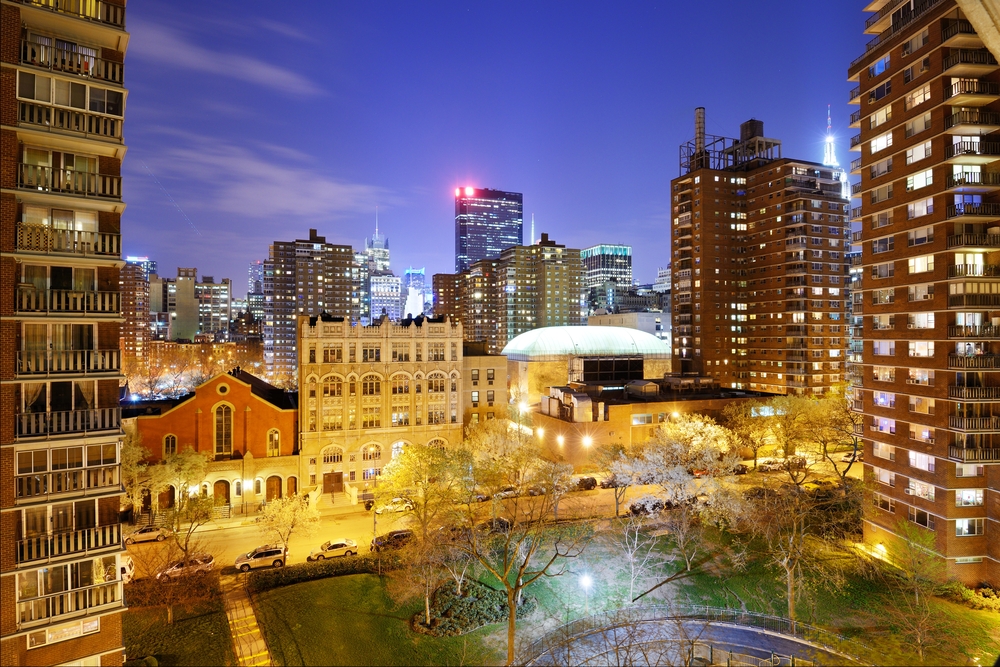
While many people define Manhattan as having three regions: Uptown, Downtown (Lower) and Midtown, the boundaries between Downtown and Midtown Manhattan are a bit blurry. For this reason, a fourth region referred to as the area between Downtown and Midtown is sometimes identified as a separate region. This region typically includes those neighborhoods that are located between 14th Street and 34th Street.
Neighborhoods that are typically included in the region that is defined as being between Midtown and Downtown Manhattan include:
- Brookdale
- Chelsea
- Flatiron District
- Flower District
- Gramercy Park
- Kips Bay
- Meatpacking District
- NoMad
- Peter Cooper Village
- Rose Hill
- Stuyvesant Square
- Stuyvesant Town
- Union Square
- Waterside Plaza
Some of these neighborhoods are quite small and are not very highly populated. The Gramercy Park neighborhood, for example, is mostly a small, fenced-in private park located within the Gramercy Park Historic District. The park, which measures just 2 acres, is the only private park in the city and one of only two within the entire state. Only those who live around the park and who pay an annual fee have a key to enter the park. The sidewalks and streets around the park are open to the public, however, and are popular for jogging, walking dogs and strolling.
The Meatpacking District, on the other hand, is much larger. The neighborhood covers 44 acres of land and is characterized by its irregular street patterns. In terms of residential structures, the Meatpacking District mostly offers townhouses and rowhouses. As the name implies, the district was also once a key area for meat slaughter and packaging. Today, the area is still quite active in this industry, though only 35 of the area’s 250 slaughterhouses were still there in 2003. On May 30, 2007, the district was added to the National Register of Historic Places.
The neighborhood of Chelsea is also of great historical significance, having been added to the National Register of Historic Places in 1977. The neighborhood is largely residential, consisting of a mix of apartment blocks, tenements, city housing projects, renovated rowhouses and townhouses. The retail businesses located within the district are largely ethnic and reflect the social diversity of the neighborhood. The western part of the district is also considered to be the center of the New York art world, with numerous art galleries located throughout the neighborhood.
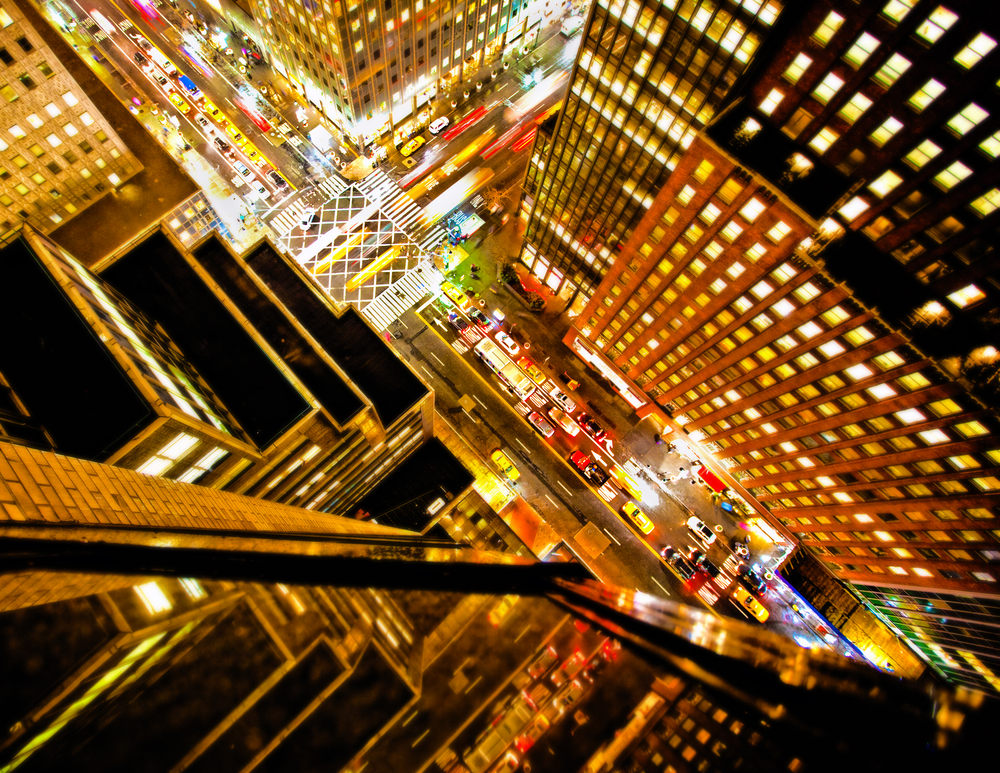
As you might guess, Midtown Manhattan is the region that is located between Uptown Manhattan and Downtown Manhattan. The region is generally defined as the area that is south of 59th Street, west of the East River and east of the Hudson River The southern border is not clearly defined, but most agree that the southern portion of the region ends at 14th Street. Some residents, however, refer to the area all the way to 30th Street as being part of “Midtown” Manhattan.
When defining Midtown Manhattan as the region that ends at 14th Street, the following neighborhoods are considered part of the region:
- Columbus Circle
- Diamond District
- Garment District
- Hell’s Kitchen
- Herald Square
- Hudson Yards
- Koreatown
- Little Brazil
- Madison Square
- Midtown
- Midtown East
- Midtown West
- Murray Hill
- Rockefeller Center
- Sutton Place
- Tenderloin
- Theater District
- Times Square
- Tudor City
- Turtle Bay
Midtown Manhattan is home to many of New York’s most iconic buildings. These include the Empire State Building, the United Nations Headquarters and the Chrysler Building. Other important sites in Midtown Manhattan include the Museum of Modern Art, St. Patrick’s Cathedral, Grand Central Terminal, New York Public Library, Time Warner Center, One Bryant Park, Carnegie Hall, Madison Square Garden, Manhattan Center, James Farley Post Office, Pennsylvania Station, Plaza Hotel, The Waldorf-Astoria Hotel and Bryant Park.
Midtown Manhattan is also home to some of the world’s most famous commercial zones, including Broadway, Times Square and Rockefeller Center. The region is also growing as a center of finance and is now second only to Downtown Manhattan’s Financial District in terms of finance importance in the United States.
As the busiest commercial district in the country, Midtown Manhattan is one of the most densely populated and used areas of the world. Most of the city’s skyscraper, which includes apartment towers and hotels, are found in Midtown. A large number of retail stores are also found in this region, with the greatest concentration being on Fifth Avenue and at Times Square. Some of the major retailers found in Midtown Manhattan include Bergdorf Goodman, Bloomingdale’s, Brooks Brothers, F.A.O. Schwarz, Gucci, J. Press, Lord & Taylor, Louis Vuitton, Macy’s, Nat Sherman, Paul Stuart, Saks Fifth Avenue and Tiffany & Co. Time Square is also recognized as the center of Broadway theater. Three of the four major television networks are also headquartered on Sixth Avenue in Midtown.
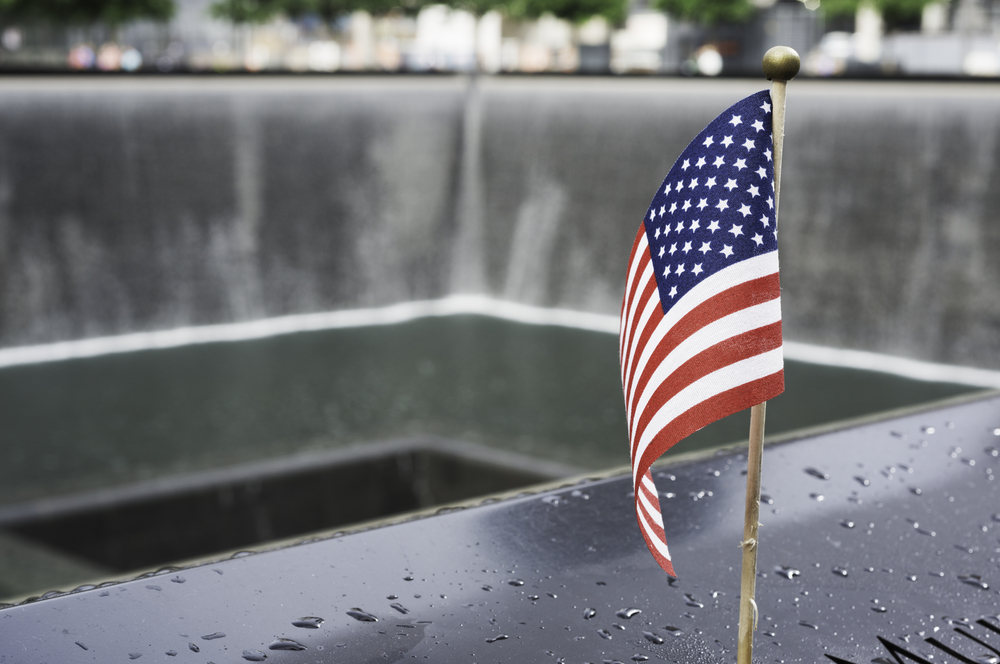
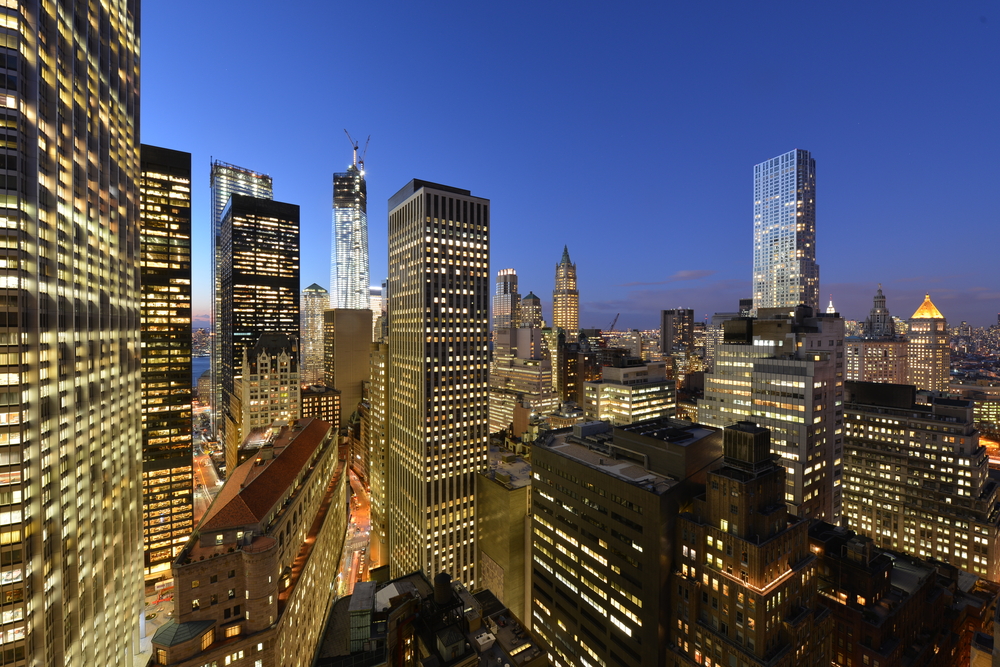
Downtown, or Lower Manhattan, is located at the southernmost point of the borough of Manhattan. The boundaries of Lower Manhattan are typically defined as being the area that is to the south of 14th Street, to the north of the New York Harbor and between the Hudson River and East River. The area is also sometimes referred to as the Lower Manhattan Business District, in which case the northern border is typically defined as the thoroughfare that runs approximately one and a half miles south of 14th Street and a mile north of the southern tip of the island. Canal Street and 23rd Street are also sometimes used to define the northern border of Downtown Manhattan.
When using 14th Street as the northern boundary to definine Downtown Manhattan, neighborhoods found in the region include:
- Alphabet City
- Battery Park City
- Bowery
- Chinatown
- Civic Center
- Cooperative Village
- East Village
- Financial District
- Five Points
- Greenwich Village
- Little Germany
- Little Italy
- Lower East Side
- NoHo
- Nolita
- Radio Row
- SoHo
- South Street Seaport
- TriBeCa
- Two Bridges
- West Village
Understanding the meaning of “Downtown” Manhattan can be confusing at times for visitors to the area. While the official tourism marketing organization defines “Downtown” as anywhere south of 14th Street, those who live in The Bronx may refer to any visit to Manhattan as “going downtown.” Others use the term when referring to the Financial District or when going to any place south of Canal Street. Typically, the region south of 14th Street is referred to as “downtown” when speaking in a broad sense in relation to the rest of the city. The more restrictive definitions are usually used when the focus is on business matters.
When referring to Downtown Manhattan in the broader sense, the region is home to a number of landmarks, historic buildings and other sites. Perhaps the most famous of its landmarks is the site of the former World Trade Center, which was once an icon of Lower Manhattan’s global financial significance prior to the 9/11 attacks. Some of the historic buildings and sites located in Downtown Manhattan include Castle Garden, Fraunces Tavern, the United States Customs House, the New York Stock Exchange and New York City Hall. The Brooklyn Bridge, the South Ferry and the Staten Island Ferry, which takes trips to Liberty Island and Ellis Island, can also be found in Downtown Manhattan. Some of New York City’s most iconic skyscrapers, such as 40 Wall Street (aka the Trump Building), Woolworth building, the American International Building and the Standard Oil Building are also located in Downtown Manhattan.
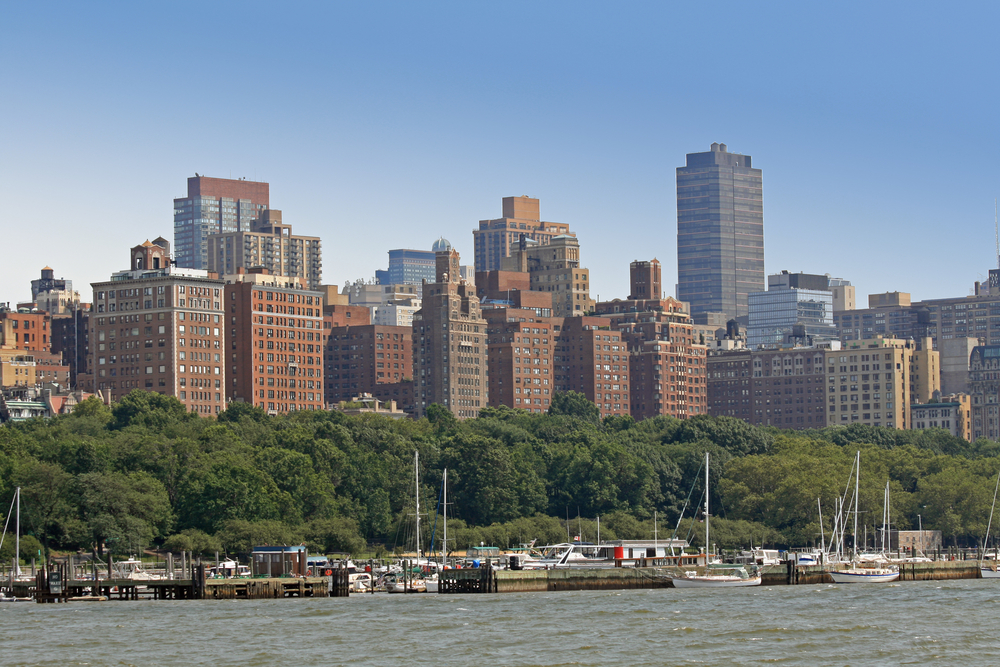
Given the vast size of the borough of Manhattan, it is typically described as having four different regions. These regions include Upper Manhattan, Downtown Manhattan, Midtown Manhattan and the area between Downtown and Midtown. Within each of these regions, you will discover several unique neighborhoods.
As might be expected from its name, the region of Upper Manhattan is located in the northern section of Manhattan. Typically, the southern boundary of this neighborhood is considered to be anywhere from 59th street to 125th Street, but 96th Street is the most commonly agreed upon southern boundary for this part of the city.
Defining Upper Manhattan as the region that extends all the way down to 96th Street means that Upper Manhattan includes all of the following neighborhoods:
- Astor Row
- Carnegie Hill
- Central Harlem
- East Harlem
- Fort George
- Hamilton Heights
- Harlem
- Hudson Heights
- Inwood
- Le Petit Senegal
- Lenox Hill
- Lincoln Square
- Manhattan Valley
- Manhattanville
- Marble Hill
- Marcus Garvey Park
- Strivers’ Row
- Sugar Hill
- Morningside Heights
- Upper East Side
- Upper West Side
- ViVa
- Washington Heights
- West Harlem
- Yorkville
While some of these neighborhoods are actually found within other neighborhoods in the region, others are standalone neighborhoods with well-defined boundaries. Astor Row, Strivers’ Row and Sugar Hill, for example, are all part of Central Harlem. In addition, Hudson Heights is part of Washington Heights. Some of the neighborhoods are also known locally by other names. East Harlem, for example, is often referred to as Spanish Harlem and Le Petit Senegal is commonly referred to as Little Senegal.
Each of the neighborhoods is also defined by a unique demographic. The Upper West Side neighborhood, for example, is more affluent than neighborhoods to the north such as Manhattanville, Inwood and Morningside Hieghts. The Upper East Side neighborhood is also more affluent than those neighborhoods to the north, such as East Harlem.
Although Upper Manhattan is not considered to be a major center of tourism for New York City, there are some major attractions located in this region. Perhaps the most popular of these attractions is Grant’s Tomb, which is a granite and marble mausoleum containing the remains of Ulysses S. Grant that is located in the Morningside Heights neighborhood. The structure can be found at the intersection of Riverside Drive and West 122nd Street near the Hudson River. Upper Manhattan is also home to the Apollo Theater, Minton’s Playhouse and the National Jazz Museum in Harlem. A number or parks are also located in the Upper Manhattan region, including Riverbanks State Park, Fort Tyron Park and Sakura Park.
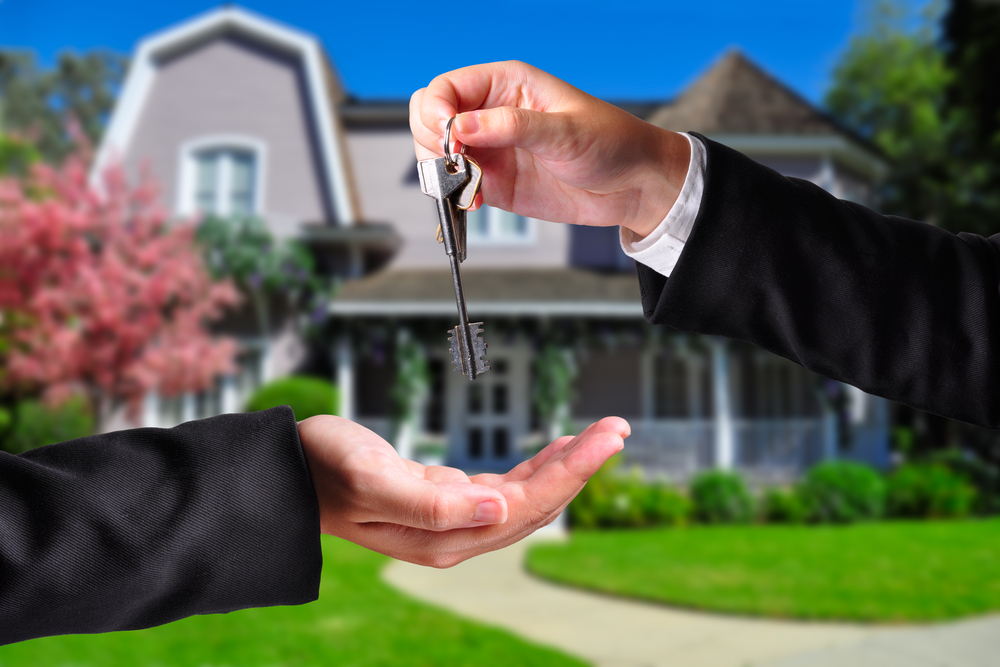
If you have never purchased a home before, it is only natural to feel a bit nervous about what to expect at the closing. After all, you are officially handing over your hard-earned money to purchase a property, which means you are boldly stepping into the exciting world of homeownership. While the closing process is usually quite simple, it is in your best interest to know more about what to expect from the process before you attend the closing.
Who to Expect at the Closing
At your closing, you are likely to see some people who you have already met with. You may also see some people who you have not met up to this point. In New York, for example, an attorney oversees the closing process. The real estate agent representing the seller is also likely to be there. If you are buying a home that is newly constructed, the builder’s representative will also likely be at the closing.
Who to Expect to Take Place
The closing process largely involves reading through documents and signing them. More than likely, the process will be held at the title company’s office, at a real estate attorney’s office, at your lender’s office or at some other agreed upon location. After you and all other interested parties have arrived, you will review and sign the necessary documents. Before signing each document, be sure they are explained to you thoroughly and that you understand what you are signing. If something is different from what you expect, do not sign the document until it has been corrected.
During the closing process, you will also be asked to provide evidence that you have completed the necessary inspections and have obtained the required homeowners insurance. After exchanging all of the proper documents and obtaining the necessary signatures, you will give a cashier’s check or a certified check to cover your down payment as well as your closing costs. The exact items that you need to pay at this time will depend upon the final terms of your mortgage loan, as some homebuyers choose to have closing costs rolled into their loan.
What Paperwork Needs to Be Signed
The exact paperwork that you need to sign will depend upon your unique situation. In nearly every situation, however, you can expect to be asked to sign the following documents:
- HUD-1 Settlement Statement – an itemized list of the credits and charges affecting both you and the seller. You should receive this statement at least 24 hours prior to the closing so you can review it thoroughly beforehand.
- Deed of Trust or Mortgage – your agreement to place a lien on the property as security if you default on your loan.
- Promissory Note – legal document in which you promise to pay the lender back according to the agreed upon terms. This document includes the dates when your mortgage payments are due and where you will send the payments.
After you have signed all of the necessary documents, your lender will distribute the funds and the home is officially yours.
Sales are going strong for the recently developed 99 John Deco Lofts. Situated in the heart of the Financial District, these spacious condominiums feature modern amenities and a classic limestone and granite exterior that integrates beautifully into the downtown atmosphere.
The building itself has been a part of the Manhattan landscape for quite sometime. In fact, it was originally constructed in 1933. Designed by Shreve, Lamb & Harmon, which famously designed The Empire State Building, the building itself is a work of art. With 16 inch concrete walls, the building is in solid shape and guarantees absolute privacy and solitude within each unit. Thanks to a full renovation and updates, the building maintains old world construction features while still providing all that is needed for modern city living.
With prices ranging from around $600,000 to around $1.5 million, the 99 John Deco Lofts offer a variety of different floor plans to choose from. Available units offer up to two bedrooms and two bathrooms with square footage ranging from around 500 square feet to 1,250 square feet.With more than 100 different floor plans to select from, the units each offer a unique look and feel to suit the needs of virtually anyone looking for a great place to live in Manhattan.
The 99 John Deco Lofts also feature a number of amenities for residents to enjoy. One of these includes the stylish lounge and lobby. The condo also boasts a roofdeck complete with a roof top dining table. Here, you can watch the sunset and listen to your favorite tunes on the iPod docking station. For extra relaxation, visit the Zen garden and soak up the beauty of the flowers and interesting design. The condos also offer 24 hour concierge, a parking garage and a gym. Other conveniences include the on-site drug store, pharmacy and grocery store.
Of course, the location is one of the greatest draws of the 99 John Deco Lofts. Located in Lower Manhattan, residents are only steps away from a seemingly endless array of cultural attractions, chic shopping, dining and nightlife opportunities. The Financial District is also home to some of the best playgrounds and schools in the city. The condos are also conveniently located near to two water taxi docks and five subway lines, making it easy to visit your other favorite parts of the city.
With so much to offer, it is easy to see why more than 85 percent of the units have already been sold. If you want to be a part of this beautiful condo community, there is little time to spare. Contact us to learn more.