
According to a recent survey conducted by the Real Estate Board of New York, real estate brokers in New York are feeling more confident than they did last year. This growth in confidence has been largely spurred by overall improvements in the economy coupled with an increase in residential sales.
While the Real Estate Broker Confidence Index was sitting at 9 during the last quarter of 2013, the Real Estate Board of New York found that this had increased to 9.21 during the first quarter of 2014. This represents a growth trend that was also seen when comparing the third quarter of 2013 to the last quarter, with the confidence index being 8.75 during the third quarter. These figures represent the confidence levels of both residential and commercial brokers throughout New York.
When looking specifically at confidence levels in residential real estate, respondents expressed a confidence index of 8.52 during the fourth quarter of 2013. This increased to 8.8 in the first quarter of 2014. The survey also found that the brokers are just as confident about where the market will be six months from now and that they are more confident now than they thought they would be during the third quarter of 2013. This is at least partially due to the fact that the supply wasn’t available last year, while this year has brought a reduction in demand with rental prices that are greater than what people are willing to pay.
When looking at confidence levels within the commercial real estate market, the brokers had a confidence index of 9.49 during the fourth quarter last year. During the first quarter of this year, this has increased to 9.62. The survey also found that the six-month outlook confidence levels increased as well. Tourism in New York City continues to be a strength for the retail leasing market, while new space is becoming available due to continued growth and expiring leases.
Despite expressing an increase in confidence levels, New York brokers are still expressing a concern about interest rates. Furthermore, many have noted that residential demand is decreasing in 2014 due to the high cost of real estate.
This data is collected anonymously and includes only those brokers who are members of the Real Estate Board of New York. Participants were asked to rank their confidence levels on a scale that ranged from zero to ten, with five representing “neutral.’
Anyone who takes a walk through the streets of Manhattan can quickly see that there are several storefronts that are available for rent. While this may seem unusual for an area that is so popular and considered by many to be the shopping Mecca of the United States, there are a few key factors that appear to be contributing to this phenomenon.
Perhaps the biggest factor contributing to the empty Manhattan retail space is the fact that many landlord are asking for a significant amount of money from its renters. With many of the owners of big office buildings and apartments making a good amount of money from the space rented on the upper floors, they can afford to wait for someone who is willing to pay whatever they want for the ground level storefronts. Similarly, as cheap leases that were drawn up 10 to 25 years ago begin to expire, many landlords are asking for a significantly larger rental payment. While no one can blame them for wanting more money in line with current market trends, it is also understandable when renters decide to move to a different space.
The large number of landlords who do not actually live in Manhattan is also a contributing factor. A growing number of buildings in Manhattan are being purchased by investors from Asia and the Middle East. These investors are often unaware of the subtle nuances of the Manhattan market, resulting in lease agreements that are frequently changing and impacting rental agreements. Some are also more than happy to let their buildings sit empty because they how to sell the buildings or to knock down the buildings and replace them with something new.
Many landlords are also being more selective when it comes to determining who they will rent to. For instance, many are giving preference to national chains and other retailers that are well-established. This way, they can be relatively certain there will be no problems with collecting their rental payments each month.
Of course, there has also been a great deal of new developments in the area, resulting in thousands of square feet of new retail space that needs to be rented out. In the Wall Street area, for example, dozens of banks were repurposed for store or restaurant uses. As a result, the amount of growing retail space has outpaced the demand.
Unfortunately, some of the buildings are sitting empty because their owners are caught up in litigation. After condo apartment corporations sold their retail space to amateur investors, for example, some of these investors found themselves unable to find renters quickly enough. As a result, they defaulted on their loans and the buildings remain empty as ownership remains in limbo.

With a current facility located in College Point in Queens, the popular Spa Castle has announced plans to build a sister facility in Manhattan that will be known as Spa Castle Premier. The 38,000 square foot facility will be located in the mixed use building at 115 East 57th Street, which is the same space that was once leased by the New York Racquet and Tennis Club.
Occupying the 8th, 9th and 10th floor, the Manhattan Spa Castle will offer many of the same facilities and services as the one found in Queens. While full details have not been released yet, the company has stated that all three floors will feature spa facilities. In addition, there will be an outdoor sundeck. The company has also stated that all three of the floors will be gutted and refurbished, with the swimming pool and outdoor sundeck that is currently located on the 8th floor being converted to a Bade Pool with a partial sundeck.
While the remaining details are currently unknown, the new facility is sure to offer much of the same experience as the Queens facility. This facility is known for providing the perfect blend of luxurious European spas and traditional Asian saunas. The company claims that its facilities are designed “to promote the health and well-being” of its clients by surpasses the health and wellness standards that are currently established within the industry. The company also strives to build, own and operate hospitality facilities and urban resorts in various metropolitan destinations throughout the country. Some of the amenities found at the other facility include:
- Lockers and Bath Area – the gender-specific locker and bath area features separate shoe and clothing lockers, a vanity area, a lounge area and an ornate traditional bath-house area.
- Body Treatment and Beauty Spa – this area offers a variety of services, including Golden Caviar Facials, raw Korean Scrub treatments and Hand and Foot Reflexology.
- Sauna Valley – features various saunas made with materials that are known for their medicinal powers, such as the Gold Sauna that is made from 95% real gold because gold is thought to help regulate blood pressure and sooth sore limbs. Each of the saunas is built to offer specific healing affects.
- Indoor/Outdoor Bade Pools – these indoor/outdoor pools feature strategically placed aqua-therapy jets that are positioned to massage different parts of the body. The experience is meant to help enhance skin tone, circulation, digestion, joint tension and muscle tension.
The Queens facilities are open year-round, and the new facilities in Manhattan are likely to follow suit.
The Famous Folks You’re Likely to Come Across in New York City
There’s no doubt the bustle and attractions of New York City are intriguing and exciting. In the last decade alone, roughly one million new people have moved to New York, bringing the population up to just over 8 million. New York has long been a center of culture, business, international relations, and the arts, and boasts one of the most diverse populaces of any city on the planet, bringing together a community that defines the term “melting pot.”
The fascination with this city is compounded by the fact that some of today’s hottest celebrities call it home. Good food and amazing theatre opportunities aside, one of the strongest lures to the Big Apple for many is the chance to brush up against their idols. The mere possibility of seeing Denzel Washington, Anne Hathaway, Neil Patrick Harris, or Carmelo Anthony walking down the street is enough to inspire some to move to New York in a heartbeat.
Depending on where you live in New York, the number of celebrity sightings can vary greatly. The vast majority of celebs live in the Upper West Side, making up 71 of the 237 celebrities tracked by Rentenna. A large number of actors also make their home in the Upper East Side, Greenwich Village, Tribeca, Soho, and Chelsea, with between 14 and 20 celebrities living in each neighborhood.
Do you want to know who lives where? Let’s look at some celebrities you might see out and about on the streets of New York, as well as some details about the amazing apartments they call home.
Upper West Side

Average rent per month in the Upper West Side for apartments with a doorman run $3,350 for a 1 bedroom and roughly $4,800 for a 2 bedroom. Robin Williams, one of the residents of the Upper West Side, pays $15,000 every month for a 4 bedroom apartment. This is 11% more than the average price
Other celebrities in the Upper West Side include:
- Al Pacino
- Alex Rodriguez
- Antonio Banderas
- Angela Bassett
- Glenn Close
- Diana Ross
- Robert DeNiro
- Matt Damon
- Sting
- Judy Garland
- Tina Fey
- Bono
- Denzel Washington
- Steve Martin
- Steven Spielberg
- Tiger Woods
- Faye Dunaway
- Harvey Weinstein
Upper East Side

The average rent in the Upper East Side is $3,200 for a 1 bedroom and $4,600 for a 2 bedroom. For an apartment building without a doorman, the prices are roughly $1,000 less. Kelly Rutherford, one of the inhabitants of the Upper East Side, pays $10,500 for a 2 bedroom, a price that is 128% higher than the average.
Other famous Upper East Siders include:
- Bill Murray
- Joan Rivers
- Mia Farrow
- Spike Lee
- Christopher Walken
- Donald Trump
- Drew Barrymore
- Ricky Martin
- Tom Brokaw
Greenwich Village, East Village, and West Village
The average rent in the East Village for a 1 bedroom with a doorman is $3,300, as compared to $4,200 in the West Village. Prices increase as you move west through the Village, but celebrities continue to pay well over the average where ever they are. Jim Carrey, for example, pays $25,000 a month for a 2 bedroom apartment in the West Village. This is 381% higher than the average monthly rate.
Some other famous tenants in the Village area include:
Greenwich Village
- Alec Baldwin
- Julia Roberts
- Anderson Cooper
- Leonardo DiCaprio
- Tom Cruise
East Village
- Britney Spears
- Cher
- Amanda Seyfried
- Alan Cumming
West Village
- Daniel Radcliffe
- Brooke Shields
- Sofia Coppola
- Liv Tyler
Tribeca

For an apartment building in Tribeca with a doorman, the average rent for a 1 bedroom is $4,200. For a 2 bedroom apartment, the average is $5,800. Some of the famous celebrities who share this neighborhood include:
- Jon Stewart
- Billy Crystal
- Beyonce
- Meryl Streep
- Jay-Z
- Jennifer Connelly
Soho
In Soho, the average price to rent a one bedroom apartment in a building with a doorman is $4,500. The average price for a 2 bedroom is $6,000 dollars. Dakota Fanning pays $10,000 for her 2 bedroom apartment, which is almost twice the average. Other famous people making their home in Soho are:
- Daniel Craig
- Kelly Ripa
- John Mayer
- Samuel L. Jackson
- John Bon Jovi
- Justin Timberlake
Some rather famous celebrities can also be found outside of Manhattan, in the Park Slope, Brooklyn Heights, or Williamsburg regions of Brooklyn. These include Patrick Stewart, Steve Buscemi, Kerri Russell, and Maggie Gyllenhaal, to name a few. Some of these actors are reportedly looking at property elsewhere, but for now Brooklyn remains their home.
Paul Giamatti is a Brooklyn Heights resident who moved into his apartment building back in 2010. At the time, he was able to buy his unit for $1.3 million dollars. Today, a nice 2 or 3 bedroom apartment in Brooklyn Heights can cost anywhere from just under $1 million dollars to $2.5 million. One 8 bedroom townhome on Clark Street is on the market for $7.8 million dollars.
Some recent rumors flying around Brooklyn say that Matthew Broderick and Sarah Jessica Parker are both selling their homes in Manhattan to move to Brooklyn. They are reportedly converting two townhomes in preparation for the move.
Two actors who also live in Brooklyn are Patrick Stewart and John Turturro. Turturro has lived in Brooklyn or Queens his entire life, and now lives in Park Slope. It is said he can often be spotted at a di la Trattoria, a Brooklyn restaurant serving northern Italian cuisine. Patrick Stewart, on the other hand, just bought his $2.5 million dollar condo in Park Slope last year.
When walking the streets of Manhattan or Brooklyn, keep an eye out for some of the most famous celebrities in the country. You’re sure to spot more than a few browsing in shops or dining in restaurants of the areas they call home.
6 Real Estate Programs That Can’t Be Missed
Doug Heddings, a successful real estate agent in New York, has sold more than $200 million in real estate throughout the city. His experience has afforded him a recurring appearance on Selling New York, the television program that chronicles events in the area’s competitive real estate market. Selling New York is just one of the many real estate based shows that have come to television in the past few years.
Even during this time of economic difficulty and a dip in the housing market, reality TV shows about real estate are catching the public’s attention. One of the reasons is that viewers are given information on how to buy and sell houses while still making a profit. As Doug Heddings noted in one of his appearances on Selling New York, there is a panic among homeowners as they see home values dropping. People are worried they won’t be able to make a profit when moving, and they hope to learn some tricks and tips of the trade.
Some of the more popular of these real estate themed reality shows include:
Real Estate Intervention with Mike Aubrey and Sabrina Soto.

Mike Aubrey is a real estate expert who works with his partner, staging expert Sabrina Soto, to help families get the best value for their homes. Mike helps the sellers accurately price their house by taking them on tours of similar homes in their area. Together they compare features of their home with parallel features in other homes, such as garage size, lawn size, and quality of materials in the home. After comparing prices and the reasons for pricing differences, the couple or family can decide on the most accurate value for their home.
Sabrina’s job is to show sellers how to make their home ready to wow potential buyers. By giving her clients some advice on staging, Sabrina teaches them how to properly set up their home for a showing. Some of her tips include decluttering, painting, or even tackling big jobs like counter-top replacements and renovations. This will ensure that potential buyers are impressed with the home from the very beginning, making them more willing to agree to a higher price.
Million Dollar Listing with Josh Altman, Josh Flagg, and Madison Hildebrand.
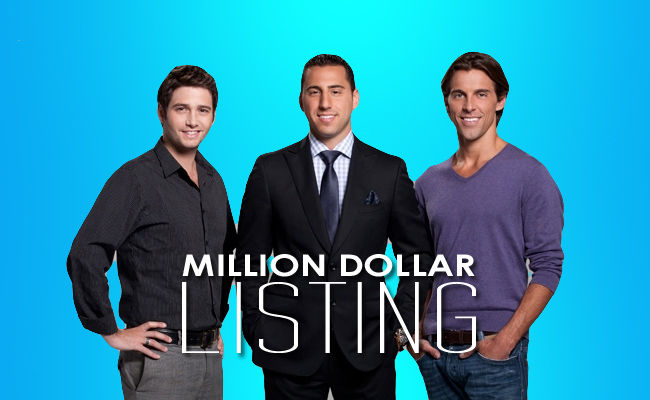
This is a show for elite homeowners and the ones who dream of an upper crust lifestyle. The show follows the three hosts, tagged as “three of Los Angeles’ hottest, young and aggressive real estate magnates in the making,” as they try to sell homes and properties worth millions of dollars. These are high stakes deals being made, and in the current economic climate, these hosts are competing in a very small and competitive niche.
Dealing in multi-million dollar real estate in any situation is a somewhat risky business, but it has the potential for a huge payoff. As Doug Heddings noted, the more your home is worth the farther there is for you to fall.
Flip Men with Mike Baird and Doug Clark.
Based in Utah, where both hosts have spent a large portion of their lives, Flip Men features Mike and Doug buying foreclosed houses, remodeling them, and selling them for a profit. Both men have had successful careers in fields other than real estate, but became interested in the business via different pathways and now work together to flip houses.
Property Wars with Doug Hopkins, Scott Menaged, Lou Amoroso, Ed Rosenburg, Steve Simons, and John Ray.
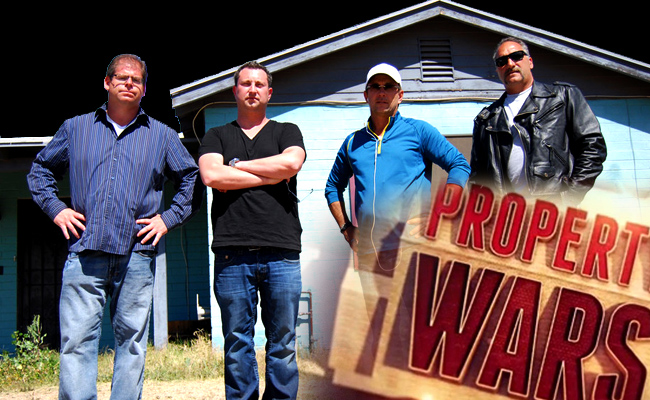
Featuring a wide variety of cast members all gathered together under the hot sun of Phoenix, Arizona, Property Wars is a battle of instinct, quick wits, and ambition. Each of the men on the show is looking to not only buy up the best properties in the Phoenix area, but do it quickly and efficiently. Bidding takes place within minutes, and decisions have to be made as quickly as possible in often stressful situations.
Two of the agents, Doug Hopkins and John Ray, have been active real estate buyers in the Phoenix area for a long time. The other buyers featured are newcomers to Phoenix. Scott and Lou are from New York, where real estate is a different ball game altogether. Ed and Steve are business partners from L.A. with a reputation for being more analytical than their competitors and a penchant for taking well calculated risks.
As opposed to some real estate agents and homeowners who are biding their time in a struggling market, the agents of Property Wars are aggressively buying up new property. Doug Heddings’ suggestion to not panic and wait for the housing market to go back up before buying or selling homes is advice these guys are clearly not heeding.
House Hunters
This show is favored by many who seek to learn about what prices houses are fetching across the country based on location, size, age, and condition. Each episode follows a homebuyer through multiple home tours and eavesdrops on their discussions about price and which house they intend to buy. It’s a sneak peek into the home buying world for everyone from the nervous first-timer to a buyer out of the market for many years.
Selling New York with brokers from Gumley Haft Kleier, CORE, and Warburg.
Unlike some other shows, Selling New York does not have a set pair or group of hosts. Instead, the show follows different real estate brokers from three different New York based firms as they navigate the real estate world in one of the most competitive markets in the country.
New York is a city with more than 8 million people, and the homes there can be some of the priciest in the country. For example, the average listed price for a home in Manhattan is over 1 million dollars. Once prices reach such a high level, brokers begin to deal with some of the wealthiest of the social and political players in the Big Apple. This is where Doug Heddings shares his wisdom and works to help potential buyers and sellers in navigating the real estate market.
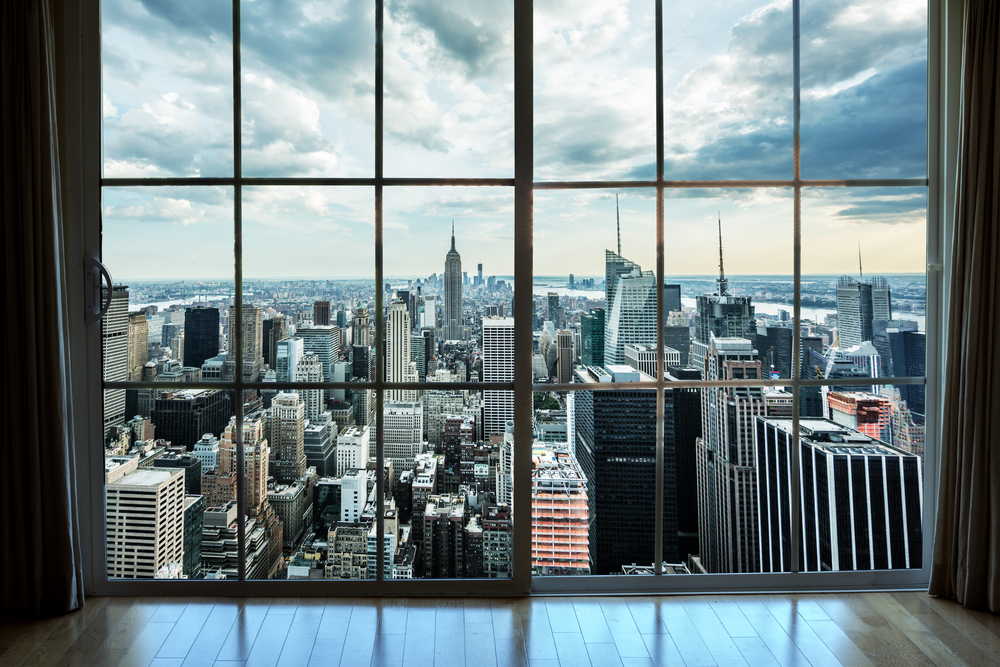
According to a recent Newsweek article, the Chinese have become the biggest foreign investors in Manhattan apartments. Chinese investors have also been investing heavily in other major cities around the world, including London and Sydney as they look for what they consider to be safe investments of their wealth.
While the U.S. has been slowly recovering from the housing bust in 2007, real estate prices are still much lower than other parts of the world. The low prices coupled with confidence in a U.S. recovery make real estate an attractive investment. In Hong Kong, Shanghai and Singapore, for example, luxury apartments cost anywhere from $4,100 to $5,000 per square foot. In Manhattan, on the other hand, luxury apartments typically cost anywhere from $2,100 to $42,500 per square foot.
In addition to looking for a safe haven for their investment dollars, many Chinese buyers are also interested in purchasing property that is located close to major educational institutions. According to the Hurun Report, which is a Shanghai-based publication, more than 80 percent of wealthy Chinese want to send their children to an overseas school. Purchasing property near to top colleges helps to facilitate this goal.
While there are no official records kept on the national and ethnic backgrounds of buyers due to U. S. fair housing laws, the perception among brokerages is that the Chinese are taking the lead in New York real estate investments in terms of both volume and value of sales. Previously, the Russians held the title as the biggest investors in Manhattan real estate, but the recent unrest in the Ukraine coupled with the sanctions placed against Russia by the United States has resulted in a drop off in Russian investment activity.
The patterns of investment also appear to be changing among Chinese investors. Whereas most Chinese investors typically purchased two to three properties within the $1 to $5 million range in New York, they have recently started to purchase more expensive properties. Apartments within Central Park’s One57 skyscraper have been particularly popular among Chinese investors, where a three-bedroom apartment runs around $18.85 million.
While some Chinese investors are bringing their entire families to New York in order to find the perfect trophy home near to the schools of their choice, others are purchasing multi-million dollar properties without coming to the U.S. at all.

Are you considering buying a house, but you are not sure if now is the right time to buy? If so, here are a few simple questions you can ask yourself in order to determine if you are really ready to take the plunge into homeownership.
Am I Familiar with the Market?
Familiarity with the market will give you an idea of how much you can expect to pay for the house that you want. To become familiar with the market, pay attention to the houses that are listed in the neighborhood where you want to live and look at how much the seller is asking for the house. Knowing the asking prices for homes in the market where you want to buy is the first step toward determining if you have enough money to buy now.
Do I Have Enough Money for the Down Payment and Closing Costs?
As you assess your financial situation, you also need to consider whether or not you have enough money saved up for a down payment and to cover the closing costs. Your down payment is a percentage of the agreed upon price of the property. This can range anywhere from 3 to 20 percent or more. If your down payment is less than 20 percent, you will likely be required to purchase Private Mortgage Insurance (PMI) in order to protect the lender. Closing costs, on the other hand, consist of a number of different fees and payments. These typically include taxes, title insurance and points that you purchase in order to bring down your interest rate. Closing costs usually cost anywhere from 2 to 7 percent of the value of the property.
How Much Can I Afford?
To get a better idea of how much you can actually afford to pay for a house, you need to take a closer look at your income and your debt. This includes analyzing how much you owe on credit cards, car loans, child support and any other bills that you might have. Ideally, all of these bills plus the expected monthly payment toward your house should be no more than 30 to 40 percent of your gross monthly income.
Do I Have Good Credit?
You also need to be honest with yourself regarding the status of your credit. If you have poor credit, you are not likely to be approved for a mortgage loan. If you are approved, the interest rate may be quite high. In this case, it might be better for you to take the time to rebuild your credit before you start looking for a house.
Am I Aware of the Expenses Associated with Homeownership?
As a homeowner, you are responsible for paying expenses in addition to your monthly mortgage and utilities. This includes paying for the cost of maintenance and repairs. As a renter, these expenses were paid by your landlord. Therefore, you need to ask yourself if you are prepared to handle the extra costs associated with homeownership.

When purchasing a home, you might find yourself a bit short on the cash that you need to pay for the home. Whether you need a loan to pay for the entire cost of the home or a loan to help pay for the down payment and closing costs, you might want to turn to a friend or family member for help. If you find yourself needing to ask for a loan from someone you know, here are a few tips to help make the process go as smoothly as possible.
Tip #1: Treat the Friend or Family Member the Same as You Would a Bank
When going to a bank for a loan, you would certainly come prepared with the proper paperwork. You would also come to the lender with realistic expectations of what you can borrow and how much you can afford to repay each month. When approaching a friend or family member for a loan, you should come with the same expectations. Just because you are borrowing money from someone you know, it does not mean that you should expect special privileges or treatment.
Tip #2: Agree Upon an Interest Rate that Benefits You Both
One benefit to getting a private loan is the fact that you can get a better interest rate than you might get from a traditional lender. On the other hand, lending money to you should be viewed as an investment on the part of your friend or family members. This means you should not expect to get a loan with an interest rate that is so low that your family member loses money over time. By taking a close look at the market, you can determine an interest rate that helps keep your costs down while also helping your family member earn a little money along the way.
Tip #3: Be Prepared to Sign a Promissory Note
Just as with a loan from a traditional lender, a private loan requires a promissory note. Also referred to as a mortgage note, the promissory note states the terms that you and your friend or family member have agreed upon. The promissory note should include the amount of the loan, the interest rate, the repayment dates and how may payments are required to pay off the loan.
Tip #4: Create a Deed of Trust
To help secure the loan, you will need to create a mortgage, or deed of trust. A deed of trust gives your friend or family member the right to foreclose upon your property if you fail to make payments as agreed upon in the promissory note. In this way, your friend or family member holds a lien on the property until you have paid it off, just as is the case with a traditional loan. This document also provides you with certain protections, as your friend or family member will not be able to foreclose on the property simply because of a disagreement or other issue that is not related to your financial agreement.
Tip #5: Keep Your Friend or Family Member Aware of Financial Issues
Sometimes, unforeseen circumstances make it difficult or even impossible to repay your loan as you agreed to repay it. If this occurs, treat your friend or family member in the same way you would treat a traditional lender. In other words, discuss the situation with the person who loaned you the money and discuss alternative payment options. For example, you may make a loan modification that involves lowering the payments and increasing the number of payments that are made over time. Or, you might agree to temporarily freeze payments unitl you are back on your feet.

When purchasing a home, there are many different expenses that will need to be hashed out. Many first-time homebuyers are surprised by these expenses, as they assume the only cost to purchasing a home is the price that is listed or the price that is agreed upon after negotiating with the buyer. In reality, there are several other costs that need to be taken into consideration. One of the costs that causes the greatest amount of confusion among homebuyers is PMI. So, what is PMI and why do you need to buy it?
What is PMI?
PMI, or Private Mortgage Insurance, is a type of insurance coverage that most homebuyers must pay if they put down less than 20 percent on the home. The insurance coverage protects the lender by paying a portion of your mortgage loan if you default on your loan.
Why Do You Need to Purchase PMI?
Since PMI does not provide you with any personal protection, it is only natural to wonder why you need to purchase it. The reality is that PMI insurance is not for you. Rather, it is put in place to protect the lender from the risks involved with approving your loan. If purchasing PMI coverage is required by your lender, you have no choice but to purchase the coverage or to come up with a larger down payment. The good news is that you do not need to keep paying PMI throughout the lifetime of your loan. Once you have paid down your house so you owe less than 80% of the home’s value, you should be able to discontinue the coverage. According to Federal Law, lenders must automatically cancel PMI coverage once the amount you owe versus the value of the home reaches 78%.
How Much is PMI?
The coast of PMI coverage varies according to the size of your down payment and the amount of the loan. In general, the cost ranges anywhere from 0.3 to 1.15 percent of the original loan amount. For example, if you purchase a home for $200,000 with a 10 percent down payment, the amount you are actually borrowing is $180,000. If your PMI is set at a rate of .5, the insurer will multiply this 0.005 by the amount you borrowed, resulting in an annual cost of $900. This will then be divided by 12 to result in a monthly payment of $75. This cost is then added to your monthly mortgage payment amount.

When selecting the perfect home, one of the most important factors you need to consider is the neighborhood where you want to live. After all, your neighborhood will have a significant impact on your life in many ways. To that end, here are three major factors you should consider when deciding which neighborhood is right for you.
Factor #1: The School District
The school district is one of the first factors you should consider when choosing the right neighborhood. Even if you do not have any children, choosing a neighborhood with a strong school system is important. By choosing a neighborhood that is connected to a strong school system, you can be sure the community is one that cares about education and its children. This, in turn, increases the likelihood of the community being a close-knit one with little crimina activity. In addition, a home in a neighborhood with good schools will have a greater resale value if you decide to sell the home at a later date.
To learn more about the school system in the neighborhood where you are considering purchasing a home, talk to people in the neighborhood to find out which school the children attend. Then, visit the school to ask for standardized tesing information. Another option is to check online to obtain this information.
Factor #2: Crime Statistics
Obviously, safety is a major concern when purchasing a home. Therefore, you will want to purchase a home in a neighborhood with a relatively low crime rate. To learn more about the crime rates in a particular neighborhood, you can look up crime data online. You should also talk to neighborhoods and visit with the police or sheriff’s department to learn more about crime in the area. Cyou should also keey an eye out for gang grafitti and the condition of homes in the area. Namely, if there are bars on the windows and doors of the homes in the neighborhood, crime is likely a problem.
Factor #3: Amenities
The amenities that are available within the community should also be considered when deciding upon the one that is right for you. If you are fine with traveling a bit of distance in order to visit museums, shop and dine at restaurants, a home in the suburbs or in a rural setting may be just what you are looking for. If you prefer to keep your finger on the pulse of the city, on the other hand, you will want a home that is either located in or near the city. You should also consider the distance between the neighborhood and your place of employment, as an exceptionally long commute may make certain communities undesirable.